
£600,000 Fine for Prison Legionella Management Failures
A company has been fined £600,000 for failing to manage the risk of legionella bacteria in the water systems at HMP Lincoln, which led to the death of an inmate.
Amey Community, a facilities management service provider for the Lincolnshire prison, admitted guilt to a health and safety violation.
The fine follows an investigation by the Health and Safety Executive (HSE) into the death of Graham Butterworth, who contracted Legionnaires’ disease while serving his sentence at HMP Lincoln.
Butterworth, aged 71, passed away on December 5, 2017, after testing positive for Legionnaires’ disease.
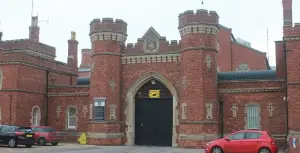
 Hmp Lincoln
Water samples from his cell and nearby shower blocks tested positive for legionella shortly after his death.
The HSE investigation found that Amey Community had failed to address a 2016 risk assessment, neglected to implement a written scheme for controlling legionella risks, and did not monitor or maintain proper water temperatures in the system. This negligence allowed the bacteria to spread unchecked.
Amey Community, headquartered in London, was found guilty of breaching Section 3(1) of the Health and Safety at Work Act 1974.
On December 3, 2024, Lincoln Magistrates’ Court fined the company £600,000 and ordered them to pay £15,186.85 in costs.
HSE Inspector Stacey Gamwell stated: “There is a legal duty to ensure the safety of workers and inmates in prisons. The occupants of HMP Lincoln were put at risk of exposure to legionella bacteria and developing Legionnaires’ disease due to Amey Community Limited’s failures.
“Companies like Amey Community Limited must identify any risk of legionella and ensure they have suitable and sufficient arrangements in place to manage the risk and maintain the control measures they have implemented.”
This case highlights the critical importance of working with a trusted and competent Legionella compliance company to manage water system risks effectively. Legionella bacteria can have deadly consequences if not properly controlled, as evidenced by the tragic death of an inmate at HMP Lincoln due to Legionnaires’ disease. The significant fine and legal costs imposed on Amey Community demonstrate the serious repercussions of failing to meet legal obligations for health and safety.
A reliable Legionella compliance company should provide thorough risk assessments, implement robust control measures, and ensure continuous monitoring and maintenance of water systems. Organisations must prioritise compliance with health and safety regulations to protect employees, residents, or inmates, and mitigate the risk of costly legal and reputational damage.
By engaging experienced professionals, like LFS, businesses can ensure they have the necessary safeguards in place to prevent similar tragedies.


