
 Fire Safety in Healthcare: Why Prevention Is Better Than Cure
In healthcare settings, protecting the safety and wellbeing of patients, staff, and visitors is of the utmost importance. However, fire safety is often overlooked—until it’s too late. Given the complexity of healthcare facilities and the vulnerability of many patients, a proactive approach to fire prevention is not just recommended, it’s essential.
In the three months ending January 2025, an average of 46,000 people visited major hospital A&E departments each day in England, with a further 27,300 visitors attending minor A&E facilities every day. Fire doors play a vital role in protecting each of those individuals, but when paired with the fast-flowing traffic often found in healthcare facilities, this sustained level of footfall can create relentless environments that are unforgiving on fire doors and their hardware.
Understanding the Unique Risks in Healthcare
Healthcare environments present unique fire safety challenges. These include:
Patients with limited mobility who cannot easily evacuate
Oxygen-enriched atmospheres that can accelerate fire
Complex electrical systems and life-support equipment
A high volume of combustible materials and chemicals
These factors mean that even a small fire can have serious consequences. That’s why fire safety should be considered a critical part of healthcare risk management.
The Real Cost of Inaction: A Wake-Up Call
In 2024, Doncaster and Bassetlaw Teaching Hospitals NHS Foundation Trust faced serious scrutiny after a suspected fire on 22 October led to a full evacuation of one of its hospitals. Investigations revealed that all three hospitals in the trust had major fire safety failings, including inadequate fire compartmentation and faulty fire doors—putting lives at risk.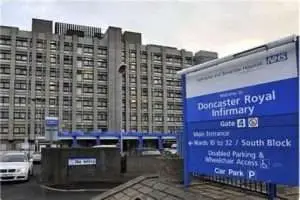
These issues were compounded by outdated ventilation systems and persistent electrical faults. NHS leaders described some of the hospital buildings as “outright dangerous”
This serves as a stark reminder that fire safety cannot be ignored or delayed. Waiting for a crisis to act can lead to devastating consequences
Taking a Proactive Approach
Prevention is always better than cure. By identifying and mitigating fire risks before an incident occurs, healthcare providers can avoid disruption to services and, more importantly, protect lives. Key steps include:
Comprehensive Fire Risk Assessments: Regular inspections help identify potential hazards and ensure compliance with fire safety regulations.
Staff Training and Emergency Preparedness: Ensuring all staff understand evacuation procedures and how to respond in the event of a fire.
Routine Maintenance of Fire Safety Equipment: Fire alarms, extinguishers, and suppression systems must be inspected and tested regularly.
Clear and Practised Evacuation Plans: Plans must account for patients who require assistance and ensure safe and efficient evacuation.
Embedding Fire Safety into Daily Operations
Fire safety should not be seen as a one-off task or a box-ticking exercise. It needs to be embedded into the daily operations of every healthcare facility. This means creating a culture of safety, regularly reviewing procedures, and keeping up to date with best practices and legal requirements.
Conclusion
In healthcare, every decision affects lives. Ensuring robust fire safety measures are in place is not just about compliance—it’s about responsibility. By taking proactive steps now, healthcare organisations can reduce risk, avoid disruption, and most importantly, keep people safe.
At Legionella and Fire Safe, we are proud to be BM Trada accredited and fully certified to ISO 9001 (Quality Management) and ISO 14001 (Environmental Management) standards. These accreditations reflect our commitment to delivering the highest levels of quality, safety, and environmental responsibility.
🔒 Don’t wait for a fire to reveal the gaps in your safety strategy.
📞 Contact our expert team today to book a consultation or schedule your fire risk assessment.


