
Modernising Soil Vent Systems in Social Housing: Why HDPE Is Replacing Cast Iron in High-Rise Buildings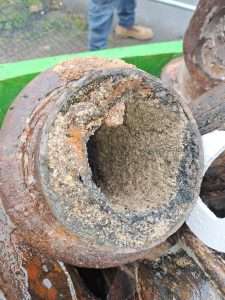
As social housing providers continue to upgrade ageing infrastructure, the replacement of traditional cast iron soil and vent (Soilvent) systems with high-performance alternatives has become a priority—particularly in high-rise buildings where maintenance and reliability are critical. One material that has rapidly gained favour in these projects is HDPE (High-Density Polyethylene), used widely across the sector for drainage upgrades.
Why Move Away from Cast Iron?
Cast iron piping has served buildings for generations, known for its strength and sound attenuation. However, its disadvantages have become increasingly apparent in today’s building management environments, especially in high-rise social housing.
Challenges of cast iron in high-rises: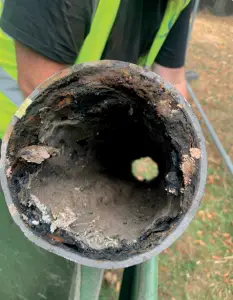
Corrosion: Over time, cast iron degrades, particularly in moist or aggressive environments, leading to leaks and potential health risks.
Weight: The material is heavy, making transportation, handling, and installation time-consuming and labour-intensive.
Complexity of repairs: Modifications or repairs require skilled labour and often disrupt multiple residences.
Costly lifecycle: Cast iron systems, while durable, frequently demand expensive maintenance or full-scale replacements as they age.
The HDPE Advantage
High-Density Polyethylene has become a preferred solution in refurbishment and retrofit projects within high-rise social housing. Its characteristics offer significant advantages over traditional materials, making it particularly well-suited to demanding environments.
1. Durability and Longevity
HDPE offers excellent resistance to corrosion, chemicals, and impact—ensuring long-term performance in multi-occupancy buildings where uninterrupted service is essential.
2. Lightweight and Easy to Install
HDPE is far lighter than cast iron, allowing for faster and safer installation. This is especially beneficial in live residential settings, where minimising disruption is a key concern.
3. Flexible and Adaptable
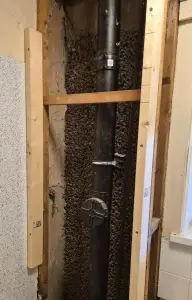
Unlike rigid materials, HDPE provides natural flexibility, accommodating thermal expansion, contraction, and building movement without cracking—ideal for tall structures.
4. Welded Joints for Leak-Free Performance
Modern HDPE systems are joined using butt-fusion or electrofusion welding, resulting in strong, seamless, and permanent joints that greatly reduce the risk of leakage.
5. Improved Flow and Reduced Blockages
The smooth internal bore of HDPE piping helps maximise flow efficiency and reduce the build-up of debris—lowering the frequency of maintenance interventions.
6. Fire Safety and Compliance
Integrated fire protection solutions—such as collars and wraps—ensure HDPE soil and vent systems meet fire compartmentation requirements in multi-storey buildings.
Proven Performance: Case Studies in Action
Harcourt House (London) – This 23-storey tower block, part of a larger regeneration initiative, underwent a full
drainage system upgrade using HDPE. The installation team benefited from quicker fit times and reduced labour demands, while residents experienced minimal disruption during the work. The system’s long-term durability provides assurance to building managers and occupants alike.
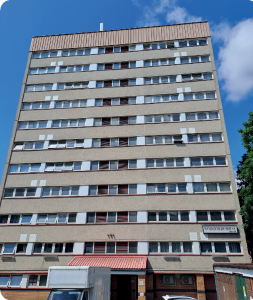
Legionella & Fire Safe Project – In a separate high-rise refurbishment, outdated cast iron stacks were replaced
with HDPE systems that delivered clear advantages in hygiene, leak prevention, and fire safety. Welded jointing methods helped eliminate the risk of Legionella propagation in waste systems, and fire collars were incorporated to maintain fire resistance between floors.
For more information, visit legionellaandfiresafe.co.uk.
Sustainability and Whole-Life Cost Benefits
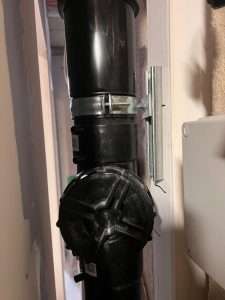
HDPE drainage systems have a lower embodied carbon footprint compared to cast iron and can be fully recycled at the end of their service life. Reduced installation times, lower maintenance demands, and longer operational life translate into lower overall lifecycle costs for housing providers.
Conclusion
Replacing outdated cast iron Soilvent systems with HDPE in social housing high-rises is a smart, future-focused move. The advantages—from ease of installation to superior durability and fire safety—make HDPE the material of choice for councils and housing associations aiming to modernise their building stock efficiently and sustainably.
For more information, visit legionellaandfiresafe.co.uk. or call 0800 080 3045


